Natural Remedies
Alzheimer’s Disease, Angina, Colds, Flu and Coronaviruses, Cold Sores, Insulin Resistance, Sleep and Stress, Tinnitus, Vascular Dementia.
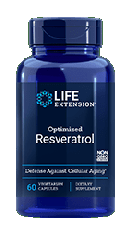
Alzheimer's Disease. There is solid scientific data that resveratrol helps clear out the plaque in your brain that leads to Alzheimer's disease. A study published in the Journal of Biological Chemistry found resveratrol to exert "potent anti-amyloidogenic activity."
Angina Top
Angina is chest pain caused by reduced blood flow to the heart muscles. It's not usually life threatening, but it's a warning sign that you could be at risk of a heart attack or stroke. With treatment and healthy lifestyle changes, it's possible to control angina and reduce the risk of it developing into a heart attack or stroke. Because it takes an array of vitamins and minerals it is recommended that the following cellular nutrients are used.
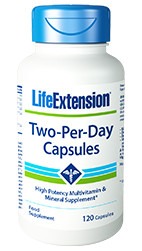
Two-per-Day TM (use promo code 60263117), Nattokinase and Curcumin . These three nutrient combinations will repair and unblock the arteries and reverse the effects of the disease. Please also use organically produced foods as the herbicides and pesticides in factory farmed goods will starve the body of vital nutrients. Add to this the need for vitamin D from sun exposure but, do not burn your skin and only use sunscreens after the skin has been exposed for a while otherwise the body cannot produce vitamin D. Sensible sun exposure is the best way to obtain your vitamin D.
Corona viruses (colds) and Influenza Top
About 10 million soldiers were killed in World War I (1914-1918), charging machine guns and getting mowed down month after month. There were nearly a million casualties at the Somme and another million at Verdun. A terrible slaughter went on for four years. Yet, in just the two years following the war, over 20 million people died from influenza. That is more than twice as many deaths from the flu in half of the time it took the machine guns.
With a century's worth of accumulated scientific hindsight, we must today ask this: Was a lack of vaccinations really the cause of those flu deaths, or was it really wartime stress, and especially war-induced malnutrition, that set the stage in 1918? And now, once again, we have an alarming and rather similar scenario: between nutrient-poor processed convenience foods, McNothing meals and TV news scare stories, we have the basic ingredients for a pandemic.
Influenza is a serious disease, and historically, has been the Reaper's scythe. There is no way to make light of that and it warrants a closer look at how the medical profession and government have approached different types of influenza.
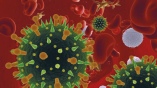
A wealth of clinical data shows that micronutrients including vitamins A, B6, B9, B12, C, D, E, and trace elements such as zinc, iron, selenium, magnesium, copper and the omega-3 fatty acids EPA and DHA are all important for the smooth running of the immune system. All systems in the body are synergistic so that if just one element of the synergy was missing then the whole system will fail. It would be like jumping in to your car and wondering why you weren’t going anywhere when everything is there except the keys.
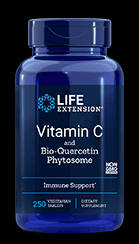
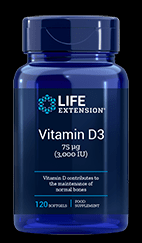
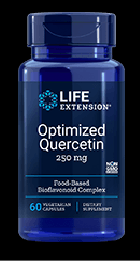
The biggest player in the treatment of colds and flu (coronavirus included) is vitamin C. Taken during times of seasonal colds and flu 2000 mg a day along with vitamin D3 10,000 IU and quercetin 500 mg will provide protection for the majority but, for those with more serious respiratory tract infections, higher doses are often required. Taken orally 10,000 mg or higher of vitamin C is required or, if the C is given intravenously then 6000 mg per day or four doses of 1500 mg. Some doctors prefer higher doses of intravenous vitamin C but the real clincher is getting the first dose in to the patient at the earliest possible moment.
Something that we can do little about is social isolation which can play havoc with your immune system. I hear people “shouting” on social media sites “stay at home” or “stay indoors” and that is the worst possible course of action. Virologists will tell you that our immune system relies on contact with others to stay active and in full defensive mode. When we reduce human contact we tune down our immune response leaving ourselves open to opportunistic pathogens. People who have poor immune systems may do well to isolate themselves but everyone else should only isolate themselves when they are sick. That is what we would normally do, isolate the sick. As for wearing face masks and gloves, this can result in more contamination and not less. Face do little to protect either the wearer or others from viruses due mainly to their size. Even the best of masks only protect the wearer against pathogens down down to 2.5 microns and almost all viruses are smaller than this. A coronavirus is around 0.125 of a micron. Some studies have shown that wearing cloth masks actually increases the risk of disease. Wearing masks can cause hypoxia (low oxygen levels) and acidosis (acidity) and this alters the body in such a way as to promote the generation and replication of pathogens I have attended people who are close to collapse because they are wearing cloth masks whilst out walking. Moisture retention, reuse of cloth masks and poor filtration may also result in an increased risk of infection. A word of caution here in that staying indoors can be rather like wearing a very large mask and you can end up feeding your own pathogens back to yourself. There is plenty of evidence for all of this but information is being ruthlessly controlled and posts removed whenever they appear. There have been extensive randomized controlled trial (RCT) studies, and meta-analysis reviews of RCT studies, which all show that masks and respirators do not work to prevent respiratory influenza-like illnesses, or respiratory illnesses believed to be transmitted by droplets and aerosol particles.
To summarise then, if you want to protect yourself against colds (corona viruses) and flu you should use a prophylactic (a medicine or course of action used to prevent disease) so take the following - 500 mg vitamin C (at least), 2000 IU (50 mcg) vitamin D, magnesium 400 mg, zinc 20 mg, selenium 100 mcg and quercetin 500 mg. If you can take more vitamin C (up to 3000 mg) then do so but be aware that some people will find that their arthritis will get worse at the higher levels of vitamin C. I hate to sound as if I am advertising someone else's products but I take a micronutrient by LifeExtension called “Two-Per-Day” capsule which contain 470 mg of vitamin C, 2000 IU (50 mcg) vitamin D, magnesium 100 mg, zinc 25 mg, selenium 200 mcg and bio-quercetin 15 mg (which is a more absorbable form than normal quercetin). This is pretty much all you need for most of the year but you will need to increase your vitamin D by another 3000 IU during the winter months and extra vitamin C as well if you live above latitude 40.
There is one more point that I would like to make here. The Pharmaceutical industry keep saying that the world needs to mandate a vaccine before we can return to normal and that everyone has to have the vaccine otherwise it will not work. If the vaccine worked then it would work for every individual and would not rely on every single person receiving the vaccine. So why do we need to force everyone to have it?
Natural defences against pathogens.
Ginger - Chew on the ginger at the first sign of the cold and hold it in the mouth for as long as possible. Few viruses can survive in a ginger environment. Along with liquorice it is a first line treatment.
Zinc lozenges - Or a zinc supplement has been shown to inhibit coronavirus in vitro and block coronavirus replication in cell culture. Dosage 30 to 50 mg or as a supplement take 150 mg for 5 days. When taking dosages over 150 mg of zinc you must remember to increase your copper intake also. Taking zinc alone at greater than 150 mg per day can decrease important markers of immune function.
Elderberry - Elderberry contains zinc and antioxidants, including vitamin C and anthocyanin (a flavonoid found in blue and purple fruits and berries), known for its ability to boost the immune function. The caffeic acid in elderberry (Sambucus FormosanaNakai) is a traditional medicinal herb with anti-inflammatory and antiviral potential. Trials have already been carried out on COVID-19 with a positive effect. The finding could be helpful for developing antivirals in general.
Curcumin - Along with several other supplements, curcumin has also been identified as having particular benefit against COVID-19. According to the paper, "Potential Inhibitor of COVID-19 Main Protease (Mpro) From Several Medicinal Plant Compounds by Molecular Docking Study," posted March 13, 2020, on preprints.org, curcumin and demethoxycurcumin were two compounds among several that were found to inhibit COVID-19.
Vitamin C - Vitamin C has long been known to help people fight viruses and even the new coronaviruses are not immune to this vitamin. The recommended daily amount of vitamin C according to the NHS is just 40 mg per day but this is woefully inadequate. If you look at all the animals that produce their own vitamin C the amount produced has a direct relationship to bodyweight. Using this formulae the amount needed by humans would be between 1600 mg and 2000 mg per day. When clinics use vitamin C to treat sepsis they use 6000 mg per day or higher. People admitted to hospital with complications from COVID-19 have been found to be very low on vitamin C. This could be due to the body using up vitamin C to fight the virus or it could be that the daily recommendations for vitamin C are so ridiculously low that people are not taking enough in their diets.
L-Lysine and L-Proline - are of particular importance in combination with vitamin C in the defence against viruses and the stability of tissue.
L-Arginine - is a good anti-inflammatory and is used to make nitric oxide (NO), a substance that relaxes blood vessels, as well as exerting many other effects in the body. The vasodilatory effect of L-Arginine is an important factor in maintenance of healthy blood flow around the body and a key determinant of cardiovascular performance.
Vitamin D3 - It is essential to combine vitamin D3 with vitamin C when fighting colds and flu. There is very little of either colds or flu during the summer and there is a good reason for this. Vitamin D3 is produced when the skin is exposed to sunlight but not if you are wearing sun lotion. Sun lotion blocks the body’s manufacture of D3. Use 2000 IU or 50 mcg per day to prevent colds and flu.
Quercetin - When combined with vitamin C and vitamin D3 quercetin makes for a powerful antiviral. In vitro studies have demonstrated that quercetin acts as a potent antiviral agent by inhibiting viral replication of several respiratory viruses, including influenza virus, parainfluenza virus, respiratory syncytial virus, adenovirus, rhinovirus and poliomyelitis. A 2016 study found quercetin offered protection against influenza A virus H1N1 by modulating protein expression. More specifically, the regulation of heat shock proteins, fibronectin 1 and prohibitin was instrumental in reducing viral replication. Another study in 2016 found quercetin inhibited a wide spectrum of influenza strains, including H1N1, H3N2 and H5N1. According to the authors, "This study indicates that quercetin showing inhibitory activity in the early stage of influenza infection provides a future therapeutic option to develop effective, safe and affordable natural products for the treatment and prophylaxis of [influenza A viruses] infections." Dosage 500 mg to 1000 mg per day. In addition to all of this quercetin acts to facilitate the uptake of zinc by the cells.
Liquorice - Being both anti-inflammatory and anti-viral, liquorice may be one of the best remedies for colds. It can slow down the spread of the virus and alleviate cold symptoms. Take the liquorice at the first sign of a cold such as a sore throat or that tingling feeling at the back of the nose.
NAC or N-acetylcysteine or N-acetyl-L-cysteine - works to reduce the replication of the virus and is a good partner to quercetin and liquorice root.
Glucosamine - Upregulates mitochondrial antiviral-signaling protein (MAVS), reduces severity of influenza infection and lowers influenza mortality.
Lipoic acid - Helps boost type 1 interferon response. As explained in a 2014 paper type I interferons (IFNs) activate intracellular anti-microbial programs and influence the development of innate and adaptive immune responses.
Vitamin A - strengthens and protects cells.
Vitamin B3 - boosts the availability of zinc. 25 to 50 mg per day is sufficient.
Black pepper - Black pepper has been shown to enhance the cytotoxic activity of NK cells and promote healthy immune function. NK cells can protect against viral attack.
Cardamom - A relative of turmeric, known for its potent immune-boosting benefits, cardamom increases NK cell activity.
Oscillococcinum - There is no reliable evidence that taking oscillococcinum can prevent the flu. However, in people with flu symptoms, there is good evidence that oscillococcinum can help people get over the flu faster. The idea behind homeopathic remedies is that if you have a symptom or group of symptoms and take a substance that gives you the same symptoms then one will cancel out the other so it will give you relief from the symptoms. Best to use a dose of 30 c four times a day.
Mushrooms - Mushrooms such as shiitake, maitake and oyster mushrooms, also boost NK cell activity courtesy of beta-glucans, a polysaccharide known for its immune-boosting and cancer-fighting activities.
Exercise - also increases NK cell activity and it’s free.
Things to avoid - Smoking and alcohol will both deplete your levels of vitamin C and leave you susceptible to bacteria and viruses. Junk food will not supply you with the micronutrients your body needs to maintain itself and it often contains vegetable oils which are toxic. Wherever possible choose organic products. These are foods are sustainably grown in fertile soil which contains many times the micronutrients that factory farmed foods contain. Organic foods are a little more expensive but you get more for your money. Avoid sugar and reduce your intake of carbohydrates whilst, at the same time, increasing your consumption of fat such as eggs, full fat cheese, full fat natural yoghurt, full fat butter and full fat milk. All of these should be organic if possible. Animal fats should be from grass fed or free range animals. Social isolation up-regulates inflammatory compounds and down-regulates anti-viral compounds in the body leaving you open to viral infection.
The protocol explicitly being used for Coronavirus or COVID-19 is as follows:-
To slow down or stop the replication of the virus use quercetin elderberry, echinacea, olive leaf extract and liquorice.
To boost the immune system take vitamin A, vitamin B1, vitamin C, vitamin D, magnesium and zinc.
The allopathic medicines
1/ The anti malaria drug Chloroquine although Hydroxychlooquine is safer. Hydroxychloroquine increases the uptake of zinc but this can be achieved with the use of quercetin.
2/ Methylprednisolone is used to suppress the immune system and prevent organ damage from cytokine storms. This is only necessary in the latter stages when the cytokine storm is activated otherwise it could interfere with the normal function of the immune system.
3/ Heparin (enoxaparin) can also be used in the latter stages of the disease to thin the blood and prevent blood clots.
4/ Budesonide is a steroid inhaler that is used to prevent asthma attacks and reduces inflammation in the lungs. Very fast acting but better used in a nebulizer. It is also being used with zinc which is important.
MATH+ Protocol
Intravenous methylprednisolone, to suppress the immune system and prevent organ damage from cytokine storms. For mild hypoxia, 40 milligrams (mg) daily until off oxygen; moderate to severe illness, 80 mg bolus followed by 20 mg per day for seven days. On Day 8, switch to oral prednisone and taper down over the next six days.
Intravenous ascorbic acid (vitamin C), to control inflammation and prevent the development of leaky blood vessels in the lungs administer 3 grams/100 ml every six hours for up to seven days. Some doctors are administering 1.5 grams every 6 hours for the first 24 hours and then reducing as the symptoms ease.
Subcutaneous heparin (enoxaparin), to thin the blood and prevent blood clots. For mild to moderate illness, 40 mg to 60 mg daily until discharged. Optional additions include thiamine, zinc and vitamin D. In addition to these medications, the protocol calls for high-flow nasal oxygen to avoid mechanical ventilation, which itself damages the lungs and is associated with a mortality rate approaching nearly 90% in some centres. Together, this approach addresses the three core pathological processes seen in COVID-19, namely hyperinflammation, hypercoagulability of the blood, and hypoxia (shortness of breath due to low oxygenation).
If vitamin C,D, quercetin are used early on then often the disease will not overpower the immune system but it is often advisable to take a good multi-micronutrient as well. This will usually contain all the other elements which your immune system needs. Note that I use the term multi-micronutrient and not multi-vitamin which will not contain the necessary trace elements.
Cold Sores Top
Cornstarch - Mix cornstarch with a little bit of water to make a paste. Dab it on the blisters a few times a day to neutralize the pH, soothe the pain and reduce inflammation.
Aloe Vera - Apply aloe vera gel regularly on your cold sores to soothe the sensitive and blistered skin. The gel may protect the sores from coming into contact with other bacteria.
Earl Grey Tea - Earl Grey tea may help stop the emergence of cold sores once the tingling sensation starts. This is due to the bergamot oil and tannins the tea leaves contain. You can also use it to ease swelling during its onset. Soak a tea bag in hot water. Wring out the excess water and apply the warm tea bag on your sores for about 20 minutes.
Liquorice - Being both anti-inflammatory and anti-viral, liquorice may be one of the best remedies for cold sores. It may slow down the spread of the virus and alleviate cold sore symptoms. Mix liquorice powder with a bit of petroleum jelly. Apply the paste on the cold sores and leave it on for a few hours or overnight.
Hydrogen peroxide - The antibacterial and antiseptic properties of hydrogen peroxide may help speed up healing by protecting the open sores from other infections. Mix equal amounts of hydrogen peroxide with clean water. You can apply the mixture to the sores or swish it around your mouth.
Lemon balm - Applying lemon balm on the blisters may help ease inflammation and swelling, and assist in preventing recurrence.
Insulin Resistance Top
How to reduce your insulin resistance naturally.
Berberine - has been shown to be very effective in lowering insulin resistance.
Sleep - get your full 7 to 8 hours of sleep and take the necessary steps to ensure this. Keeping out all light from the bedroom, keeping the temperature of the bedroom at the low side of comfortable, keeping mobile phones out of the bedroom and keeping noise levels down. More than 8 hours of sleep can be as bad as getting less than 7 hours sleep. Sleep is the main regulator of hormones.
Muscle - building muscle increases the number of insulin receptors and so decreases your insulin resistance.
Diet - follow a low carbohydrate high fat diet (ketogenic diet). The easiest one to follow is the 4+4+12 diet especially if you can extend the 12 hour phase to more than 12 hours. Many people will skip breakfast and so restrict their eating to an 8 hour period. As an example, stop eating anything by 8pm and then wait until lunch time the next day before eating again. This gives you a full 16 hours of fasting which takes you well into your body’s fat burning mode and is the easiest way to achieve ketosis. There are some indications to say that switching between burning carbs and burning fats every day is more beneficial than having two fasting days a week. Restricting your carbs when you do eat and increasing your fat intake further enhances the benefits. This is the easiest diet to follow because, during the eating period, you can eat as much as you need to and don’t have to restrict calories. Keeping your carbs low and fats high also reduces hunger. Following this regime whilst keeping your calories to just below the recommended amount for you body type and exercise level will reduce your visceral fat and allow your pancreas and liver to function properly once more. This in turn will allow your blood glucose and insulin levels to return to normal.
Sleep and Stress - These two go hand in hand. Top
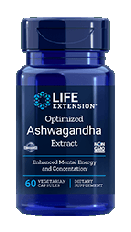
Ashwagandha - Ayurveda’s Flagship Herb. Regular exercise, meditation, yoga, and emotional freedom techniques (EFT) are all tools to be recommended but, sometimes a little more is needed. In a double-blind study of adults, one group received 300 mg of ashwagandha root extract twice a day for 60 days. The other group received a placebo. The ashwagandha group experienced numerous benefits, compared to the placebo group such as lower levels of cortisol, they scored lower on tests measuring stress, anxiety, and overall well-being (the lower the score, the less stressful effects), reported feeling more relaxed and mentally calm, slept better, felt better physically and emotionally, and enjoyed improved interactions with others and reported a “tremendous” improvement in quality of life.
Tinnitus Top
Impaired endothelial function is normally associated with cardiovascular disease, poor circulation, and erectile dysfunction. Due to reduced circulation to the inner ear, it is also shown to contribute to tinnitus symptoms. Nitric oxide is the miracle molecule produced by the inner lining of our blood vessels to improve circulation and blood flow to all parts of the body. A variety of supplements and foods have been shown to help improve flow-mediated dilation by increasing the endothelial production of nitric oxide. Some beneficial foods and herbs include vegetables and berries, Ginkgo biloba, vinpocetine, resveratrol, Pycnogenol, grape seed extract, ginger, and curcumin.
Vitamin A: Vitamin A is found in high concentrations in the cochlea and the retina. Sensory receptor cells that send auditory and visual signals to the brain require vitamin A and zinc. Several studies have confirmed that vitamin A provides substantial health benefits to those with tinnitus.
Vitamin B12: Many studies have found a connection between B12 deficiency and auditory problems. In a published report from the American Journal of Otolaryngology, 47% of people with tinnitus were deficient in vitamin B12. B12 is often poorly absorbed in the stomach, especially for those over 40 years of age. I recommend an oral hydroxocobalamin lozenge that includes vitamin B6 and folate.
Magnesium: In one study, 300 military recruits undergoing basic training were exposed to high sound levels of sound, with tinnitus as the result. Those who received 167 mg of magnesium aspartate saw a significant reduction in symptoms. I recommend MPA capsules (magnesium and potassium aspartate), magnesium glycinate, and magnesium bis-glycinate.
Zinc: Even the marginal zinc deficiency frequently seen in older people can contribute to hearing problems similar to those caused by ear damage from noise or aging. In patients with sensorineural hearing loss and low serum zinc levels, zinc supplementation for 3-6 months resulted in a reduction in tinnitus for about 25% of the cases, in one trial. Another study found that 52% of patients with low serum zinc had an improvement within one month.
Pycnogenol: An extract from the bark of the French maritime pine tree, a recent study demonstrated a dramatic reduction in tinnitus background noise after only four weeks of supplementation. The effects were dose related, with the best results from those taking 150 mg per day. Pycnogenol increases blood flow to the inner air by improving microcirculation through increased production of nitric oxide. The benefits can be enhanced by combining it with the amino acid L-citrulline. Studies have shown Pycnogenol can also lower blood pressure, improve skin conditions, boost sexual function, and ease Meniere’s disease symptoms including vertigo and hearing loss.
Vinpocetine: An extract of the periwinkle plant, vinpocetine has been shown to improve cognitive function and has been used in Germany for over 25 years as a treatment for tinnitus. Sometimes called “Viagra for the brain,” vinpocetine is often prescribed to improve memory and mental focus. Recommended dosage is 10-15 mg, three times a day.
Ginkgo Biloba Extract: Another herb known for improving cognition, eight randomized, placebo-controlled trials of a standardized Ginkgo biloba extract showed statistically significant benefits for tinnitus when compared to placebo. Choose a standardized extract that contains at least 24% ginkgo heterosides.
Vascular Dementia. Top
Unlike Alzheimer's, vascular dementia is not a product of plaque formation, but instead results from impaired blood flow. As it turns out, resveratrol has also been shown to improve cerebral blood flow. A study in 2010 found that even one single dose of resveratrol can improve blood flow to your brain, which has obvious implications for vascular dementia and stroke. In a 2017 study, scientists said:
" … resveratrol suppresses vascular smooth muscle cell proliferation, promotes autophagy, and has been investigated in the context of vascular senescence. Pre-clinical models unambiguously demonstrated numerous vasculoprotective effects of resveratrol. In clinical trials, resveratrol moderately diminished systolic blood pressure in hypertensive patients, as well as blood glucose in patients with diabetes mellitus."
Its benefits may also be related to its ability to activate a particular gene, causing beneficial epigenetic effects.